
Simple Ways to Reduce Noise at Home for a Calmer Space
Creating a peaceful home environment is essential for relaxation and focus. Whether you live in a busy urban area, have noisy neighbors, or just want a quieter space, reducing noise at home can improve your comfort and well-being. Fortunately, there are many straightforward and affordable ways to lower unwanted sound without expensive renovations.
In this article, we’ll explore simple and practical strategies to reduce noise at home so you can enjoy a calmer and more tranquil living space.
Understanding Common Sources of Noise at Home
Before tackling noise, it helps to identify common sources that may be disrupting your peace. Some typical noise culprits include:
– Traffic sounds from outside
– Noisy neighbors or nearby construction
– Household appliances and electronics
– Footsteps or voices from other rooms or floors
– Echo or sound reflections within rooms
Once you know where the noise is coming from, you can apply specific solutions to address it effectively.
Simple Ways to Reduce Noise at Home
1. Seal Gaps and Cracks
Sound easily passes through small openings around doors, windows, or walls. Sealing these gaps can significantly reduce noise infiltration.
– Use weatherstripping around doors and windows.
– Apply caulk to crack edges or gaps in walls.
– Install draft stoppers along door bottoms.
These inexpensive fixes create barriers that limit the entry of outside noise.
2. Add Soft Furnishings
Hard surfaces reflect sound, which increases noise and echoes inside rooms. Adding soft furnishings absorbs sound waves and helps quiet the space.
– Use thick curtains or drapes on windows.
– Lay down rugs or carpets on floors.
– Place upholstered furniture like sofas and armchairs.
– Add cushions and fabric wall hangings.
Soft materials dampen noise and make rooms feel cozier.
3. Use Bookshelves and Plants
Strategically placing furniture and plants can help reduce sound travel.
– Tall bookshelves filled with books act as sound barriers.
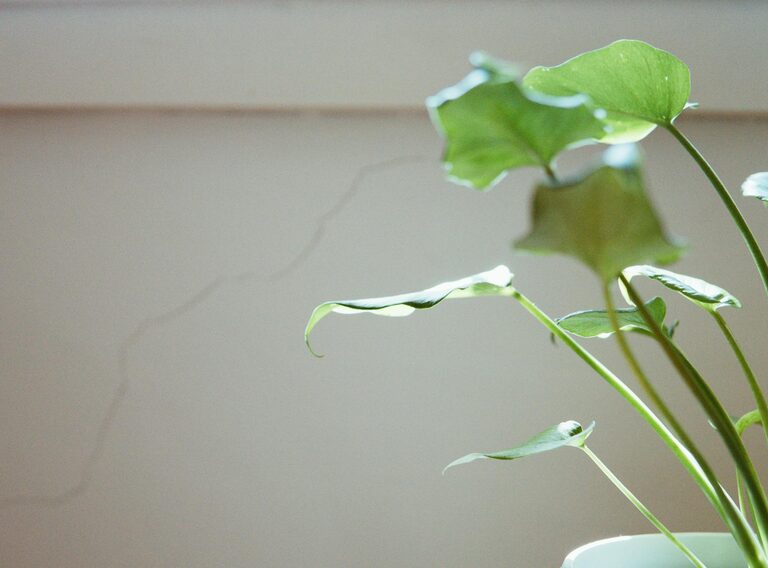
– Large leafy plants absorb sound and break up noise.
– Position such items along walls facing noisy areas.
This approach helps diffuse noise without major modifications.
4. Install Acoustic Panels or Tiles
For those willing to make a small investment, acoustic panels can be highly effective.
– Acoustic foam or fabric-covered panels reduce echo and absorb sound.
– These panels can be mounted on walls or ceilings, especially in noisy rooms.
– They come in various designs to fit your decor.
Acoustic treatment is common in offices and studios but works well in homes too.
5. Choose Quieter Appliances and Electronics
Sometimes noise comes from within your home appliances.
– Replace noisy washers, dishwashers, or vacuum cleaners with quieter models if possible.
– Use electronics’ silent or low-volume settings.
– Turn off or mute devices when not in use.
Reducing internal noise sources complements other noise-reduction efforts.
6. Create “Quiet Zones”
Designate certain rooms or corners where noise is kept to a minimum.
– Use bedroom or study rooms for peaceful activities.
– Encourage family members to keep noise levels down in these zones.
– Use rugs, furniture, or curtains to further cushion the space.
Quiet zones provide personal retreats from noise.
7. Consider Soundproof Window Inserts or Curtains
Windows are major sound entry points. For extra noise reduction:
– Install double-pane or laminated glass windows if possible.
– Use heavy soundproof curtains that block street noise.
– Consider removable window inserts designed to improve sound blocking.
These measures help reduce outside noise without full window replacement.
8. Use White Noise or Sound Machines
If total silence is hard to achieve, white noise machines can mask disruptive sounds.
– Devices generate consistent, soothing sounds like rain or fan noise.
– Apps and smart speakers also offer white noise options.
– This method helps cover up sudden or irregular noise.
White noise can improve sleep and concentration even when some noise remains.
Tips for Maintaining a Quiet Home
Once you’ve implemented noise-reducing steps, keeping a peaceful environment requires some ongoing effort:
– Keep windows and doors closed during peak noise hours.
– Limit loud activities to daytime.
– Regularly check and replace worn weatherstripping or seals.
– Encourage family members to use headphones during loud activities.
– Use rugs and curtains throughout the year to maintain sound absorption.
With these habits, your noise control will remain effective.
When to Seek Professional Help
If noise problems persist or stem from structural issues, consider professional guidance:
– Soundproofing contractors can add insulation or specialized treatments.
– Window and door installers can recommend noise-rated products.
– Acoustic consultants can assess and suggest tailored solutions.
These options may involve more cost but provide lasting noise reduction.
Final Thoughts
Reducing noise at home doesn’t have to be complicated or expensive. By sealing gaps, adding soft furnishings, and thoughtful rearrangement, you can noticeably improve your home’s quietness. Small changes, like using white noise machines or soundproof curtains, also add comfort.
A quieter living space promotes relaxation, better sleep, and enhanced focus. Start with these simple steps today and create a peaceful home environment where you can truly unwind.
