
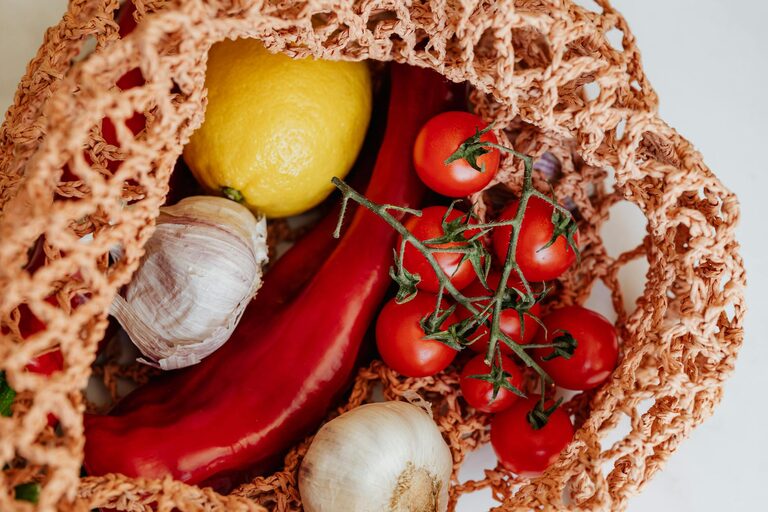
Practical Ways to Reduce Food Waste at Home
Reducing food waste at home is a powerful way to save money, conserve resources, and help the environment. Every year, millions of tons of food end up in landfills, contributing to greenhouse gas emissions and wasting the effort and resources used to produce that food. The good news is that with a few simple changes in your daily routine, you can significantly reduce the amount of food wasted in your household.
In this post, we will explore practical steps you can take to minimize food waste, organized in easy-to-follow sections. Whether you’re a seasoned cook or just starting to pay attention to what goes in your trash bin, these tips will help you make the most of your food.
Understand the Impact of Food Waste
Before diving into solutions, it’s helpful to understand why reducing food waste matters:
– Environmental benefits: Less food waste means fewer greenhouse gases from decomposing food in landfills.
– Economic savings: Wasting less food saves you money by making your groceries last longer.
– Resource conservation: Producing food uses water, energy, and labor, so reducing waste means conserving valuable resources.
Plan Your Meals and Shop Smart
1. Create a Weekly Meal Plan
Planning meals ahead helps you buy only what you need. Write down your weekly meals and snacks, then create a shopping list based on that plan. This strategy reduces impulse buys and forgotten items that might spoil.
2. Check Your Pantry and Fridge Before Shopping
Take inventory of what you already have. Using up existing ingredients before buying more cuts down on duplications and waste.
3. Shop With a List and Stick to It
Impulse purchases often lead to food that doesn’t get eaten. Having a precise grocery list makes shopping efficient and waste-conscious.
Store Food Properly to Extend Freshness
1. Learn How to Store Fruits and Vegetables
Some fruits and veggies last longer in the fridge, while others do better at room temperature. For example:
– Store tomatoes and bananas at room temperature.
– Keep leafy greens in sealed containers with paper towels to absorb moisture.
– Use airtight containers for leftovers.
2. Use Clear Containers for Visibility
Transparent containers help you see what’s inside your fridge, reminding you to use food before it spoils.
3. Label and Date Your Food
Mark leftovers and opened packages with the date so you know when to use them, preventing forgotten or expired food.
Practice Smart Cooking and Portion Control
1. Cook Appropriate Portions
Making the right amount reduces leftovers that might not get eaten. If you do have leftovers, plan to use them in subsequent meals.
2. Use Leftovers Creatively
Transform leftovers into new dishes, like soups, salads, or stir-fries, to keep meals interesting and minimize waste.
3. Preserve Excess
Freeze surplus foods like bread, cooked meals, or chopped vegetables to enjoy later instead of tossing them out.
Repurpose Food Scraps
1. Compost Organic Waste
Composting food scraps such as vegetable peels, coffee grounds, and eggshells turns waste into nutrient-rich soil for your garden.
2. Use Vegetable Scraps for Broth
Save vegetable ends and peelings in the freezer and simmer them into homemade broth.
3. Repurpose Stale Bread and Overripe Fruit
Stale bread can become breadcrumbs or croutons; overripe fruit is perfect for smoothies or baking.
Educate Your Household
1. Encourage Family Participation
Make reducing food waste a shared goal. Teach kids about the importance of not wasting food and involve everyone in meal prep and planning.
2. Regularly Clean Out Your Fridge and Pantry
Make it a habit to check supplies frequently, cooking items that are close to expiry.
Useful Tools and Apps
Several apps can help monitor your food inventory, suggest recipes based on what you have, and remind you of expiration dates. Exploring these can make food management easier and fun.
Conclusion
Reducing food waste at home is easier than it seems and comes with many benefits—from saving money to protecting the planet. By planning meals, storing food properly, cooking thoughtfully, repurposing leftovers, and involving your family, you can make a noticeable difference. Small changes over time add up to big impact, so start today and enjoy the rewards of a waste-conscious kitchen.
