
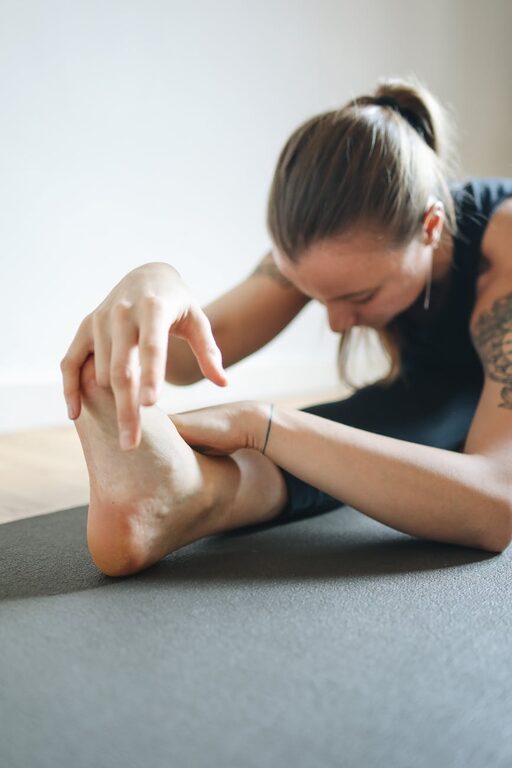
A Beginner’s Guide to Stretching at Home for Better Flexibility
Stretching is a gentle and accessible way to improve flexibility, reduce muscle tension, and enhance overall wellness. Whether you’re new to fitness or just looking for a relaxing way to start or end your day, stretching at home can be both enjoyable and rewarding. In this beginner’s guide, we’ll walk you through the basics of stretching at home, including why it’s important, some simple stretches you can try, and tips to make the most of your routine.
Why Stretching Matters
Stretching offers several benefits that contribute to your physical and mental health:
– Improves Flexibility: Regular stretching helps your muscles and joints move more freely.
– Reduces Muscle Tension: Stretching can relieve tightness and prevent stiffness.
– Boosts Circulation: It increases blood flow to muscles, aiding recovery.
– Enhances Posture: Stretching muscles around the spine and shoulders supports better posture.
– Promotes Relaxation: Gentle stretching reduces stress and calms the mind.
You don’t need any special equipment or a lot of time to start stretching at home. A few minutes daily can make a meaningful difference.
Preparing for a Stretching Routine
Before you begin, keep these tips in mind:
– Choose a Comfortable Space: Find a quiet, clutter-free area with enough room to move.
– Wear Comfortable Clothing: Opt for stretchy, loose clothing that allows full range of motion.
– Warm Up Briefly: While not a full workout, a quick warm-up like marching in place or light walking can prepare your muscles for stretching.
– Breathe Deeply: Focus on steady, relaxed breathing throughout your stretches.
Basic Stretches for Beginners
Here are some effective stretches that target major muscle groups. Hold each stretch for 15-30 seconds and repeat 2-3 times, depending on your comfort.
1. Neck Stretch
– Sit or stand tall.
– Slowly tilt your head to the right, bringing your ear closer to your shoulder.
– Hold, then gently switch to the left side.
– Avoid raising your shoulder toward your ear to keep the stretch focused on the neck.
2. Shoulder Stretch
– Extend your right arm straight across your body at shoulder height.
– Use your left hand to gently press your right arm closer to your chest.
– Hold and then switch arms.
3. Chest Opener
– Clasp your hands behind your back.
– Straighten your arms and gently lift your chest.
– Feel the stretch between your shoulder blades and across your chest.
4. Seated Forward Fold
– Sit with your legs extended in front of you.
– Hinge forward from your hips, reaching toward your toes.
– Keep your back as straight as possible.
– If you can’t reach your toes, rest your hands on your shins or ankles.
5. Cat-Cow Stretch
– Get down on all fours with hands beneath shoulders and knees beneath hips.
– Inhale, arch your back and lift your tailbone and head towards the ceiling (Cow).
– Exhale, round your back, tucking your chin and tailbone (Cat).
– Repeat in a slow, fluid motion for several breaths.
6. Standing Quadriceps Stretch
– Stand tall and hold onto a wall or chair for balance if needed.
– Bend your right knee and bring your heel toward your buttocks.
– Grab your ankle with your right hand and gently pull.
– Keep your knees aligned and hold; then switch legs.
7. Hamstring Stretch
– Lie on your back and lift one leg up.
– Hold the back of your thigh with both hands and gently pull your leg toward you.
– Keep your other leg flat on the floor.
– Switch legs after holding.
Creating Your Stretching Routine
Consistency is key with stretching. Here’s how to build a manageable routine:
– Set a Schedule: Aim for 5-10 minutes daily or every other day.
– Mix It Up: Combine stretches targeting different areas to balance your body.
– Listen to Your Body: Stretch to a comfortable point without pushing into pain.
– Stay Relaxed: Avoid holding your breath or tensing up during stretches.
– Use Props If Needed: Yoga blocks, straps, or towels can assist with deeper stretches.
Common Mistakes to Avoid
To get the most benefit and stay safe, avoid these common pitfalls:
– Bouncing While Stretching: This can cause muscle strain; use slow, steady movements instead.
– Ignoring Pain: Stretching should feel good, not painful.
– Skipping Warm-up: Stretching cold muscles can increase injury risk.
– Overstretching: Progress slowly and increase stretch intensity over time.
Additional Tips for Success
– Stretch after workouts to aid muscle recovery.
– Keep a journal to track your progress and note how your body feels.
– Pair stretching with deep breathing or mindfulness for relaxation benefits.
– Consider following video tutorials or apps designed for beginners.
Conclusion
Stretching at home is an easy, accessible way to improve your flexibility, relieve tension, and promote well-being. Starting with simple stretches and practicing regularly can help you feel more relaxed and energized throughout your day. Remember to listen to your body, maintain good posture, and enjoy the process of caring for yourself from the comfort of your own home.
Happy stretching!
