
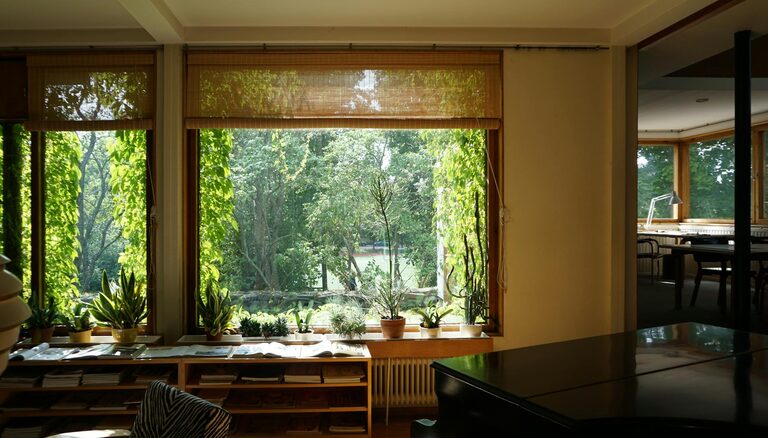
Quick Ideas to Brighten a Dark Room and Refresh Your Space
When a room feels dark and gloomy, it can affect your mood and the overall vibe of your home. Whether you’re dealing with limited natural light or heavy shadows, there are plenty of quick and simple ways to brighten a space without a major renovation. In this post, we’ll explore practical ideas that can transform your dark room into a light-filled, cheerful retreat.
Assess the Room’s Current Light Sources
Before diving into changes, start by taking a good look at the room’s existing light sources and how they’re used.
– Natural light: Identify windows and how much sunlight the room receives during the day.
– Artificial light: Note the type, placement, and strength of light fixtures such as ceiling lights, lamps, and sconces.
– Reflective surfaces: Consider the effect of mirrors, glossy paint, or metallic finishes.
Understanding these elements will help you choose the best ways to increase brightness.
Maximize Natural Light
Natural light is one of the most beautiful ways to brighten a space, so try to let as much sunlight in as possible.
Use Light, Airy Window Treatments
Heavy curtains or dark drapes can block sunlight. Replace them with:
– Sheer curtains that let light diffuse softly.
– Light-colored blinds or shades that are easy to adjust.
– Keep windows clean to allow maximum light penetration.
Minimize Window Obstructions
Avoid placing bulky furniture or large plants directly in front of windows, so they don’t block the incoming light.
Choose Light Colors for Walls and Ceilings
Color plays a huge role in how bright a room feels.
– Paint walls white or light shades like soft beige, pale gray, or pastel tones. These colors reflect light and make the room feel larger.
– Use a glossy or satin finish on paint, especially on ceilings, to bounce more light around.
– Consider painting trim and doors in a crisp white to add contrast and highlight architectural details.
Enhance Artificial Lighting Strategically
When natural light is limited, lighting choices become even more important.
Layer Different Light Sources
Combining ambient, task, and accent lighting improves brightness and flexibility.
– Ambient lighting: Use overhead fixtures like chandeliers, flush mounts, or recessed lights to provide general illumination.
– Task lighting: Include desk lamps, reading lamps, and under-cabinet lights for focused light where it’s needed.
– Accent lighting: Highlight artwork, plants, or architectural features with spotlights or LED strips.
Choose Bulbs with Higher Lumens and Daylight Color
Pick LED bulbs with a color temperature around 5000K to mimic daylight, creating a bright and natural effect. A higher lumen rating means the bulb emits more light; aim for bulbs that provide sufficient brightness without being harsh.
Use Reflective Lampshades and Fixtures
Lampshades made of light or reflective materials help distribute light better. Avoid dark or heavy shades that absorb light.
Incorporate Mirrors and Reflective Surfaces
Mirrors are a powerful tool to multiply light and make rooms look larger.
– Hang a large mirror opposite or near a window to reflect natural light deeper into the room.
– Try mirrored furniture pieces like side tables or cabinets with glass fronts.
– Add metallic or glass décor elements, such as shiny picture frames or vases, to bounce light.
Choose Bright and Light Furniture
Heavy, dark furniture can weigh down a room visually and absorb light.
– Opt for pieces with light upholstery in whites, creams, or soft colors.
– Furniture with exposed legs creates a more open, airy feel than bulky, boxy designs.
– Consider glass or acrylic pieces which add function without obstructing light flow.
Add Greenery for Freshness and Lightness
Plants can brighten a room by bringing in vibrant color and life. Choose plants that thrive in low light if your room doesn’t get much sun. Position them strategically in corners or near light sources to enhance the natural brightness effect.
Declutter and Organize
A cluttered room feels darker and more cramped. Keep surfaces clear and use storage solutions to maintain a tidy space. Clear floors and open pathways allow light to travel freely through the room.
Use Light-Colored Rugs and Textiles
The floor area covers a large part of the room, so adding a light-colored rug can reflect light upward. Similarly, choose bedding, pillows, and throws in light shades and soft textures that bounce light.
Final Thoughts
Brightening a dark room doesn’t have to involve big expenses or difficult projects. With thoughtful adjustments to colors, lighting, furniture, and décor, you can easily create a warm and inviting space. Focus on maximizing natural light, layering artificial lights, incorporating reflective elements, and keeping things light and airy. These quick ideas will help you refresh your dark room and enjoy a brighter home environment every day.